

Buying Guide: Travel Lenses for Nature and the Stars
Don't want to miss out on nature watching, photography, and astronomy—even while on vacation? We'll show you how it can be done.
Imagine you're on vacation and the weather is perfect. Then you can spend the whole day lounging on the beach or hiking through the forests of the highlands.
While vacation is the highlight of the year for many people, as an astronomer or nature enthusiast, you may be frustrated that there just wasn't enough room in your luggage for your telescope, spotting scope, and camera.
So why not design gear that’s compact and lightweight enough to take anywhere? We’ve addressed this question and put together a selection of equipment for nature observers, photographers, and astronomers that strikes the right balance between portability and high quality.
What is it used for?
What are you particularly interested in? We've divided the recommendations into four categories:
- Binoculars and Spotting Scopes for Nature Observation and Stargazing
- Telescopes for Astronomy
- Telephotography
- Astrophotography and Nightscapes
Binoculars and Spotting Scopes for Wildlife, Nature, and the Stars
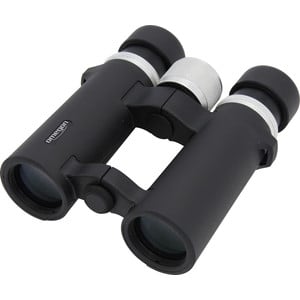
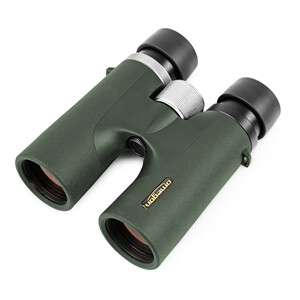
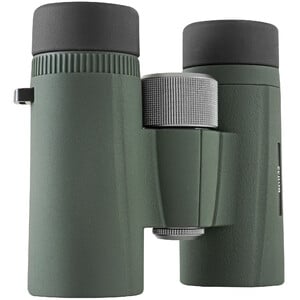
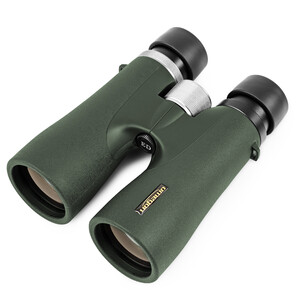
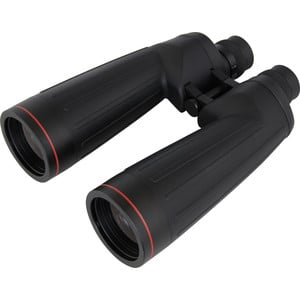
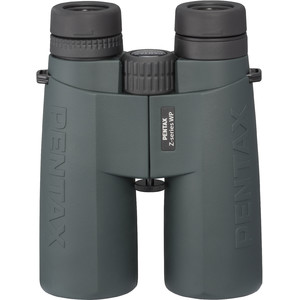
Whether you’re interested in nature observation or want to take your first steps into stargazing, the right spotting scope or binoculars will let you immerse yourself in both worlds. They’re also great for travel, mainly because of one feature: their compact size. Binoculars fit in any backpack, so you can always take them with you—whether you’re going on a day trip to the mountains or taking a two-week trip to Italy. For beginners, we recommend binoculars with 8x to 10x magnification that you can hold comfortably even without a tripod.
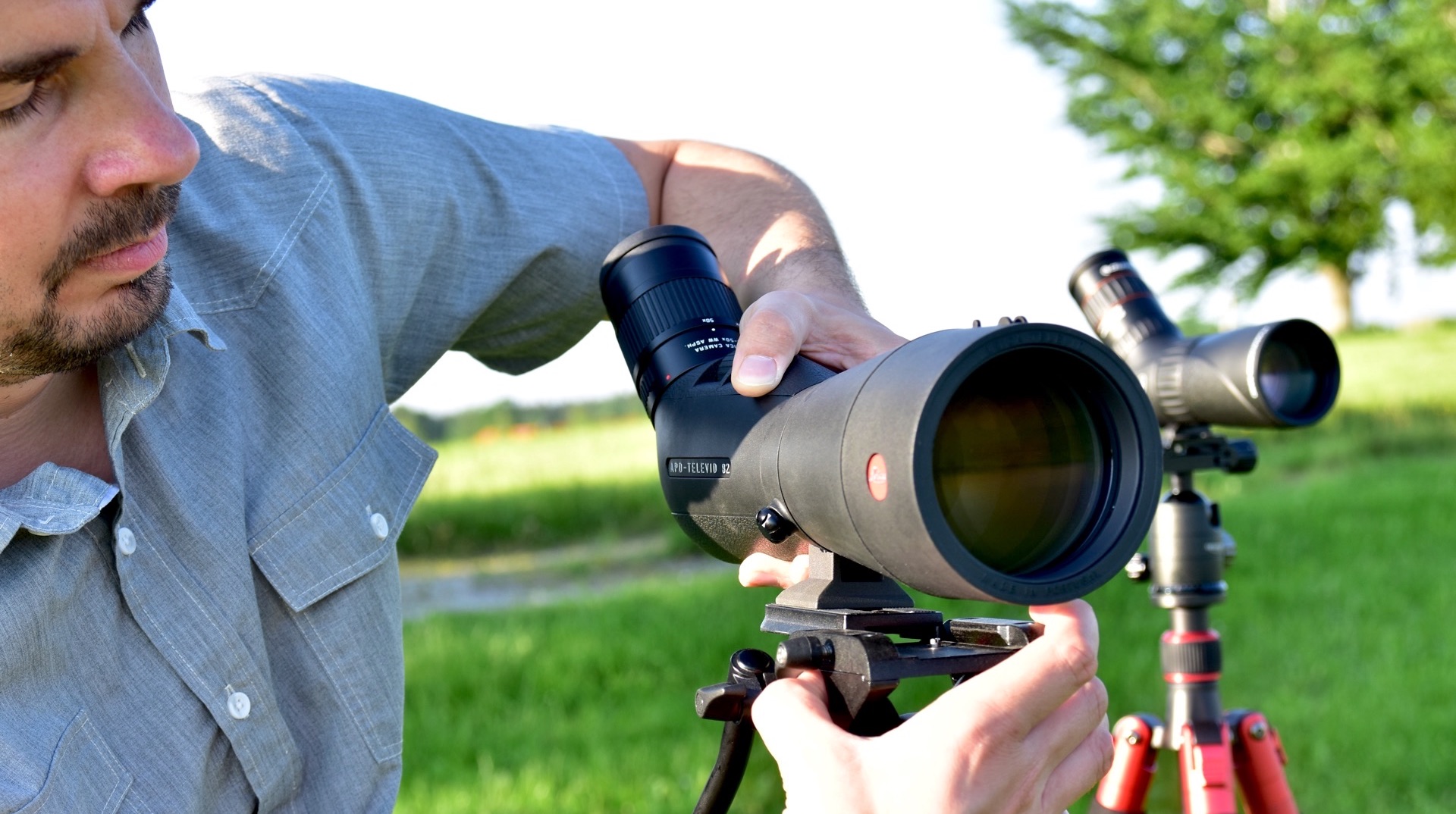
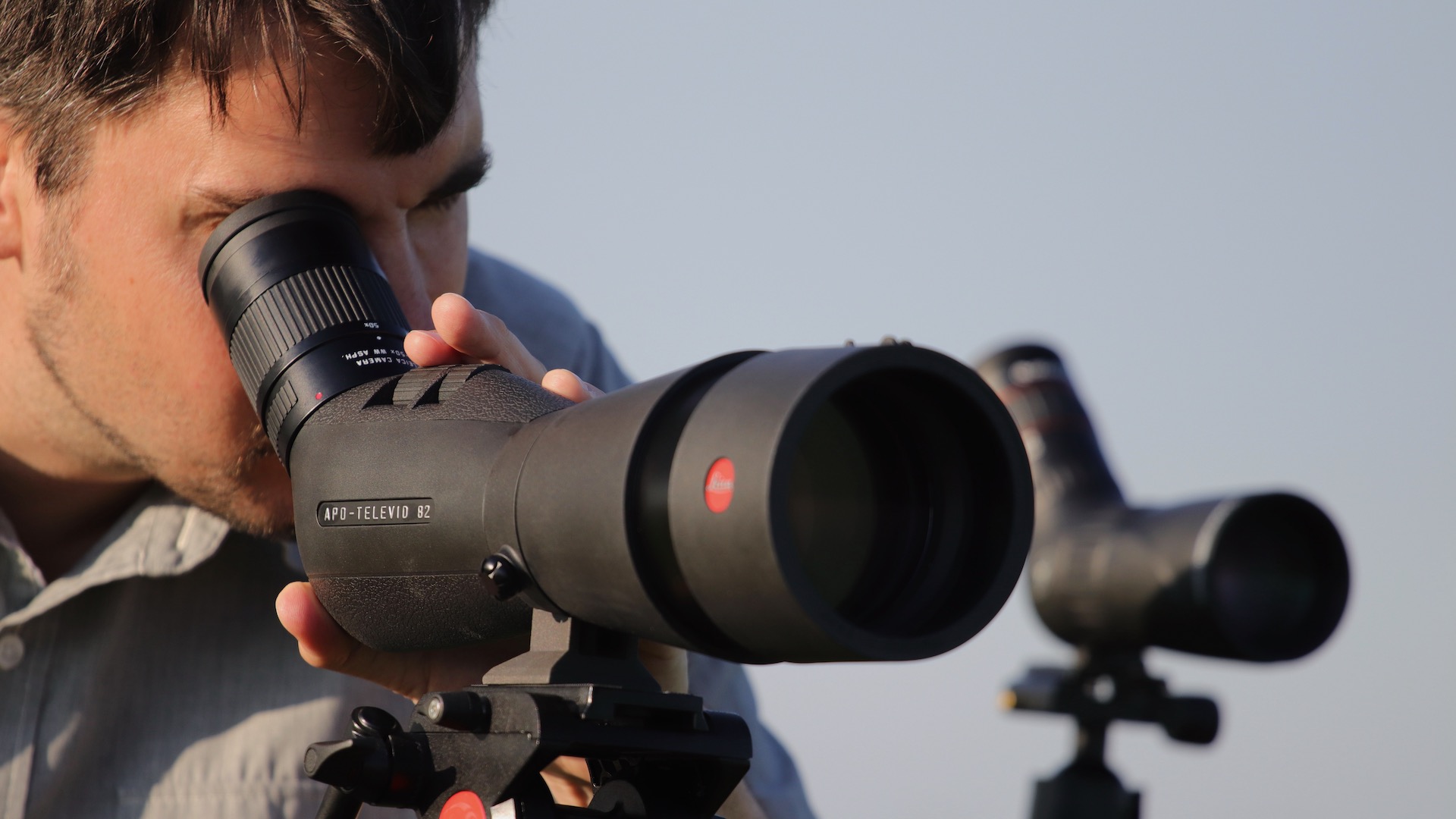
Is the maximum 10x magnification not enough for you, or do you want to choose freely how much you want to magnify? Then we recommend a spotting scope. While their packed size is very similar to that of binoculars, there are a few differences. For one, you have the aforementioned ability to magnify more (nominally about 20x to 80x), and for another, you look through the eyepiece with only one eye. In addition, spotting scopes are better suited for a pre-selected observation site rather than for spontaneous observation.
With a spotting scope, you can observe objects at greater distances or see more detail. It also expands the list of astronomical objects that you can see with a spotting scope.
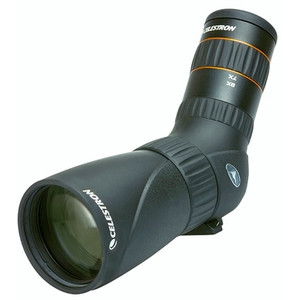
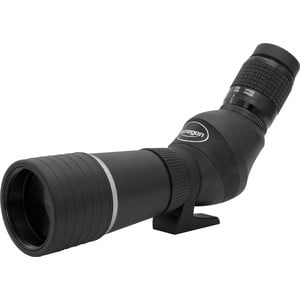
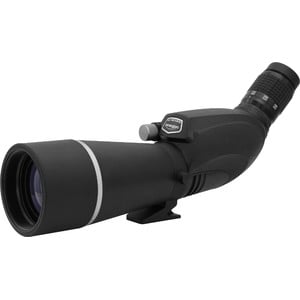
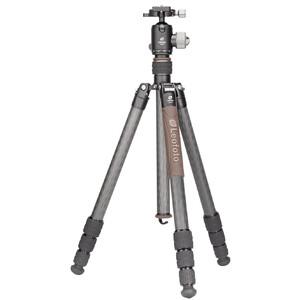
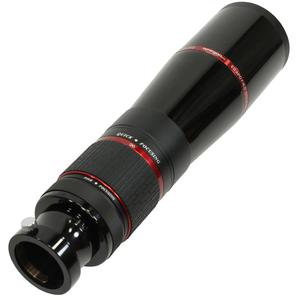
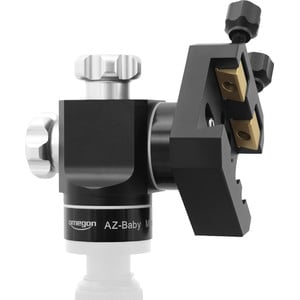
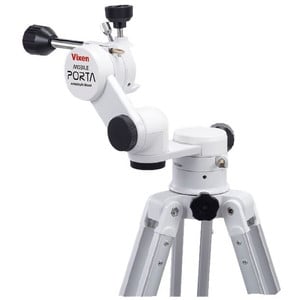
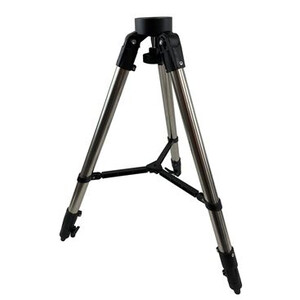
When it comes to a tripod, there's no getting around using a spotting scope. These sturdy solutions allow you to move the spotting scope smoothly while still being able to take it with you anywhere:
Journey to the Stars
You could call it a literal journey to the stars when you escape the bad weather back home and treat yourself to a vacation with beautiful weather. After all, there you’ll be able to gaze at the stars. It’s just a shame that the big telescope had to stay at home because it wouldn’t fit in the car anymore.
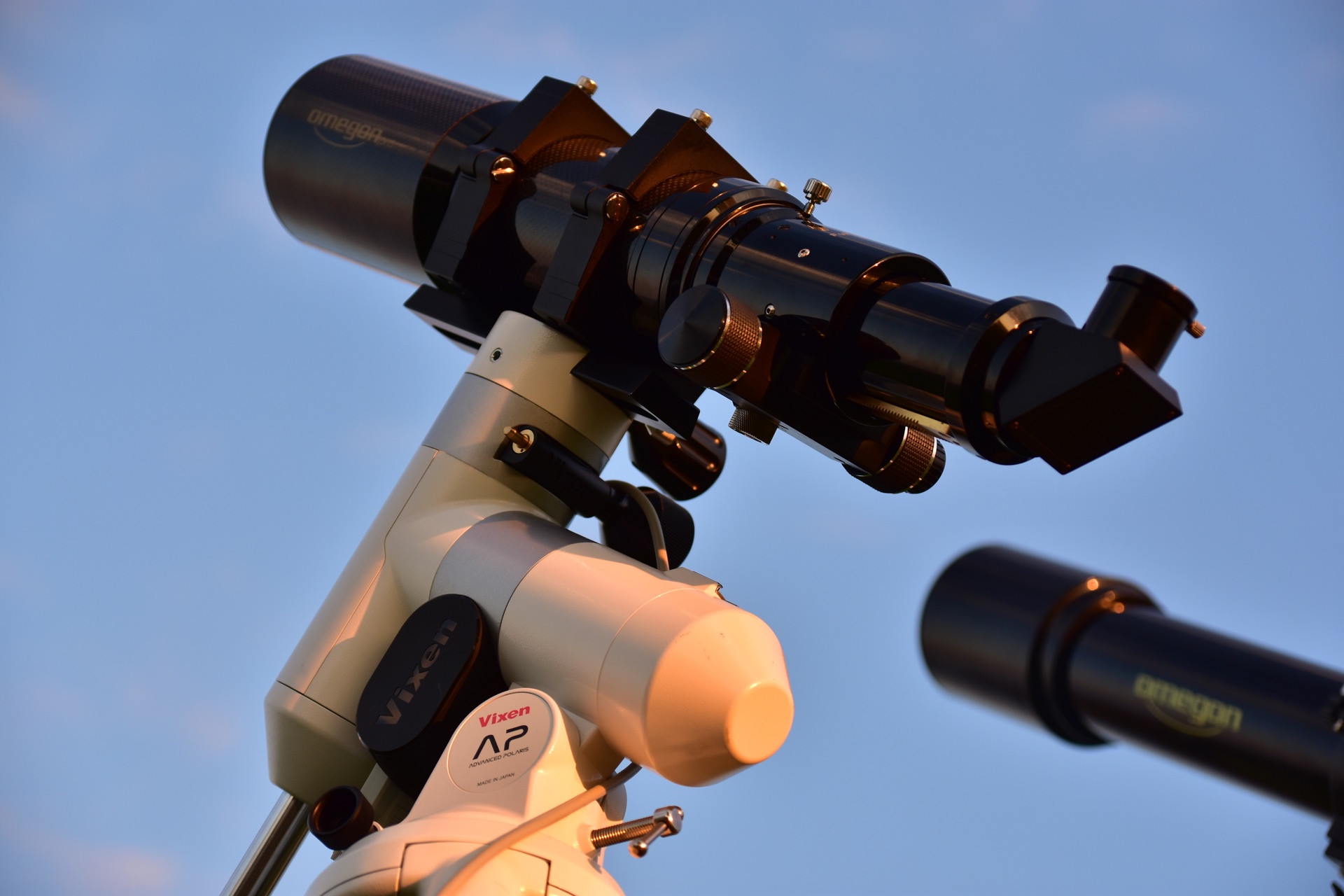
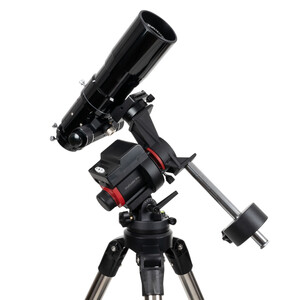
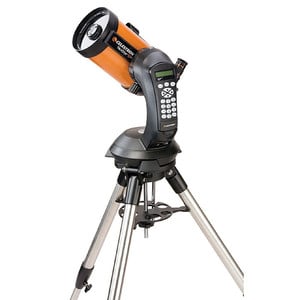
But it doesn't have to be that way. We therefore recommend bringing a compact apochromatic telescope. With a battery-powered mount, you won't be dependent on a nearby power source, and thanks to GoTo, you'll still be able to locate all objects in the sky. On clear days, you can even observe some deep-sky objects with this telescope.
Of course, as with all previous products, care was taken to ensure that the entire set doesn't take up too much space. Nevertheless, this recommendation is aimed more at ambitious beginners or those who want to become beginners, since you do have to carry a lot of equipment with you—you also need eyepieces for visual observation.
Three Legs for an Extraordinary Vacation Photo
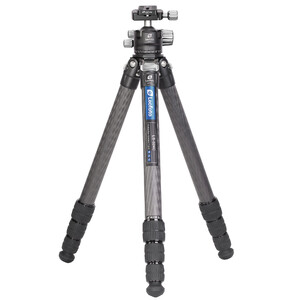
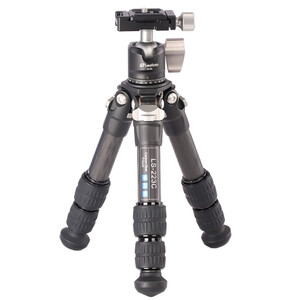
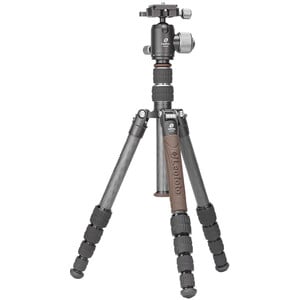
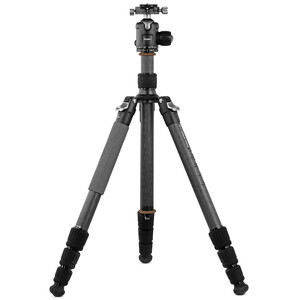
If you own an SLR or mirrorless camera, in addition to choosing the right lens, it’s also important to have a sturdy tripod. However, sturdy tripods are often very heavy and bulky. As a result, you can’t take them with you on long hikes or trips, nor can you pack them compactly in a backpack or suitcase.
Current models show that there are other options. Some of the advantages of the tripods recommended here are:
- Carbon legs to significantly reduce weight
- Carbon offers greater stiffness than comparable materials
- Aluminum ball heads ensure stability and finer adjustability
- Compact pack size thanks to height-adjustable legs and an extendable center pole
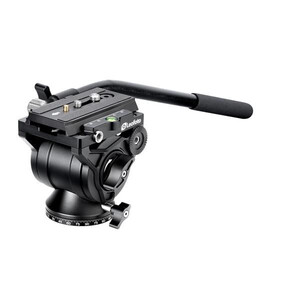
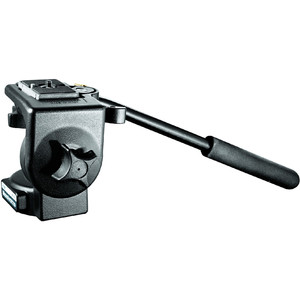
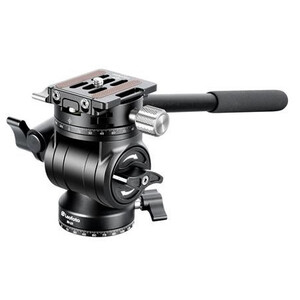
If you prefer a pan-tilt head to a ball head for reasons of comfort, you'll find the right attachment here. 2-way pan-tilt heads are especially recommended when mounting a larger or heavier camera on a tripod, since adjusting the position with a ball head can often be a bit difficult in such cases.
Astrophotography
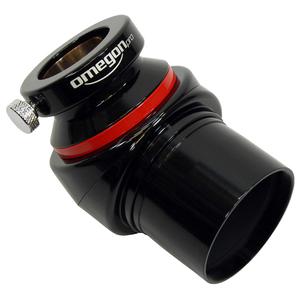
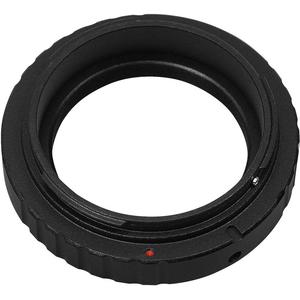
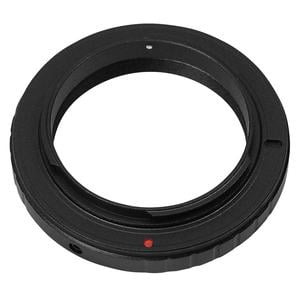
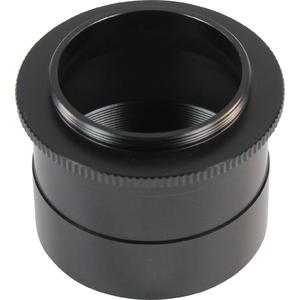
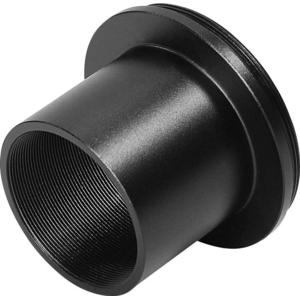
For many people, vacation photos are stunning shots of nature or family photos that serve as memories of a wonderful time. If you’ve read this far, however, you’re likely more interested in impressive astrophotographs taken through a telescope. The great thing is: the kit we recommend for visual observation can also be used for astrophotography. All you need are adapters to screw your camera onto the telescope. With the following adapters, you’ll be perfectly equipped for your next vacation, no matter what camera model you have.
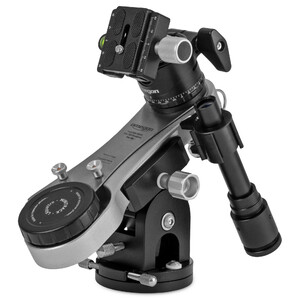
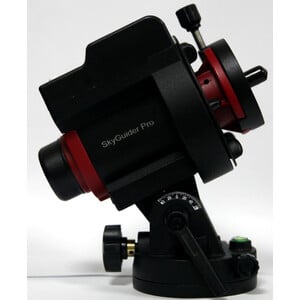
Would you prefer a smaller kit and something that works entirely without electricity? Then the MiniTrack LX Quattro is the right choice. This compact tracking platform is suitable for both nightscape photography and detailed photos of deep-sky objects. And the best part: Thanks to a spring-loaded system, you only need to wind the mount once, and then you can take photos for up to 30 minutes without interruption.
Accessories
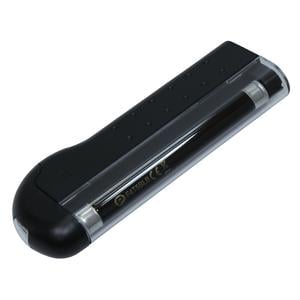
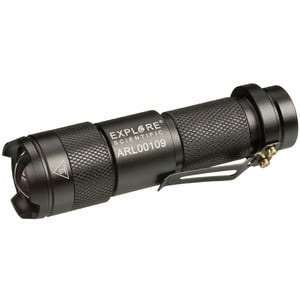
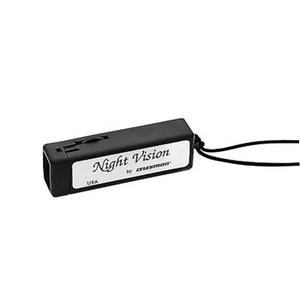
In addition to the products just mentioned, there are also a few items that are generally useful for travel. No matter which activity you choose, a flashlight with a built-in red light feature is a good idea. The red light is particularly effective at preventing your eyes from losing their ability to adapt to the dark.
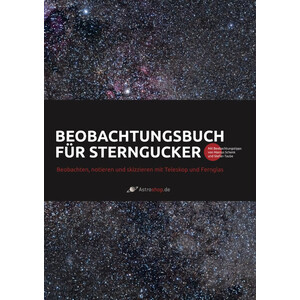
Many vacationers use their time to read a vacation book. So why not you, too? In our stargazer’s journal, you’ll find many interesting articles and may even get some new ideas for your next observation. You can also use it to record your own observations.
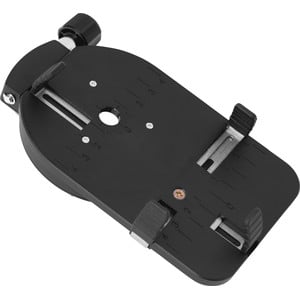
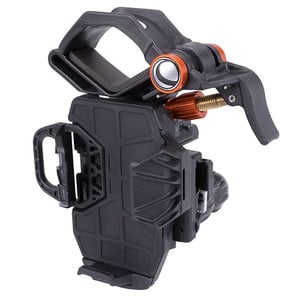
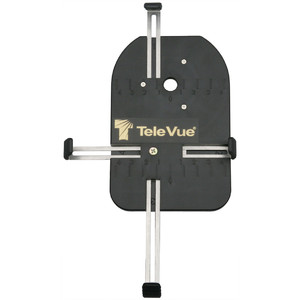
Another accessory that’s particularly useful for telescope observers is a smartphone adapter. Today’s smartphones have such high-quality cameras that you can easily take snapshots of celestial objects through the telescope. Plus, these adapters aren’t usually very large, so they’ll fit in any backpack. Photos like these are sure to stand out among your vacation photos.
We’ve now discussed the various pieces of equipment in detail and described how easy they are to transport. But how do you transport a telescope or tripod in a way that keeps it as well-protected as possible and prevents it from sliding around in the trunk? A carrying case that provides adequate protection is ideal for this purpose. We recommend the cases from Oklop, which you can find here:
Conclusion
For many people, a vacation or trip is the one opportunity each year to take some time off and use that free time for activities that otherwise get neglected throughout the year. With our recommendations, there’s now no reason to miss out on astronomy or nature observation. Lightweight, compact, and easy to take anywhere—these are the features of all the products we’ve introduced to you in the previous sections, so nothing stands in the way of your hobby, even when you’re far from home.
We hope we've been able to give you an idea of the possibilities available, and we wish you many successful observations and photo sessions.