

The High-Light-Gathering 6-Inch Class: How to Find the Right 150/750 mm Telescope
It's not easy to navigate the wide range of 6-inch f/5 telescopes available. Whether you're a beginner or an astrophotographer, our buying guide will help you find what you're looking for!
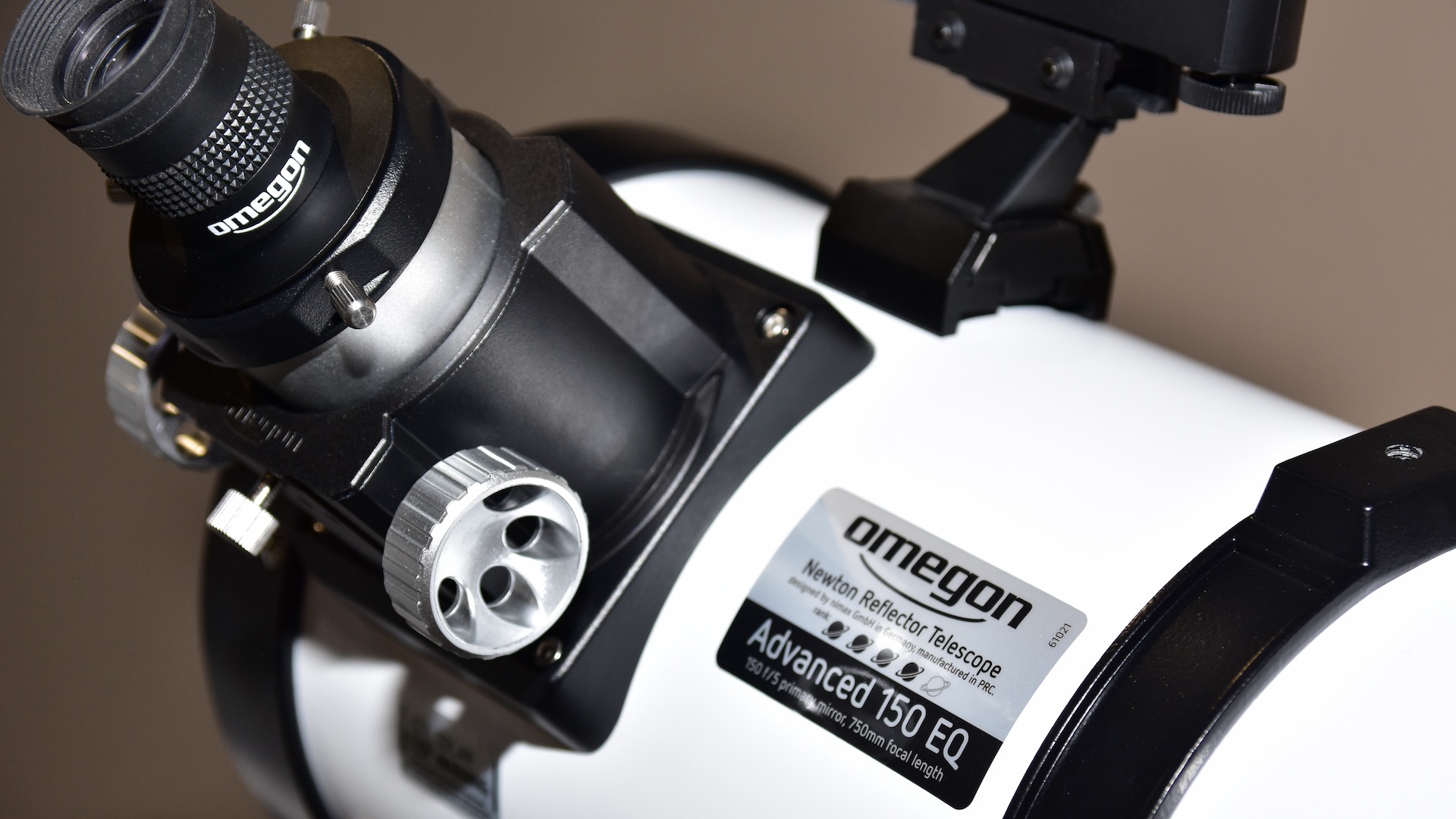
Beginners and advanced users have different expectations for their telescopes. When you’re just starting out, ease of use is key; as a budding amateur astronomer, you’ll need to get the hang of navigating the sky and locating objects. Once you’re as experienced as a pro, the performance of the optics and mount takes center stage—now, the finest nuances determine whether you see an object or not, or the quality of a photo.
The fast 6-inch telescopes with a 750-mm focal length represent an interesting crossover. They are compact enough for beginners and do not place excessive demands on the stability of the mount. For astrophotographers, they allow for deep views into the universe while offering fields of view that are surpassed only by ultra-fast apochromats.
The popularity of the 150/750 mm class has led to a wide range of options that can be difficult to navigate. That’s where our buying guide comes in. Whether you’re just getting started or pursuing serious astrophotography, we’ll help you figure out which telescope is right for your needs.
What You Need to Keep in Mind
The most affordable entry-level models are equipped with a spherical mirror and wide secondary mirror struts, which compromise sharpness and contrast. In higher-quality telescopes, the mirrors are parabolic, and the secondary mirror struts are designed to be as narrow as possible. Simple mounts involve compromises in stability and are suitable only for visual observation. For astrophotography through the telescope, we recommend parabolic optics with a large secondary mirror and thin secondary mirror struts, a 2-inch focuser with a 1:10 reduction ratio, and a stable mount with a polar finder and motors on both axes. To get started with visual observation, you can make some compromises or opt right away for high-quality optics with a Dobsonian mount.
Dobsonian telescope or equatorial mount
There are two different types of mounts for these optical systems: the EQ mount, with or without a GOTO function, and the Dobsonian mount.
Before observing, the EQ mount must be aligned with the celestial pole, which takes time. However, this makes it easier to track the movement of the sky; for serious astrophotography, there is no alternative anyway. GOTO mounts are aligned with one or two bright stars and can then automatically track objects and keep them in the field of view.
The Dobsonian mount is simply set up without any further alignment, and the telescope is tracked intuitively by hand—often the better option for beginners. Push-to-view telescopes combine a Dobsonian mount with smartphone navigation—ideal for everything except photography.
We'll start with the EQ mounts, and we'll wrap up with three Dobsonian recommendations.
Telescopes with EQ mounts
Omegon N 150/750 Telescope EQ-3 and EQ-4
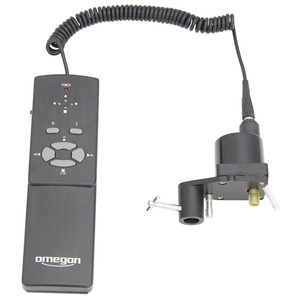
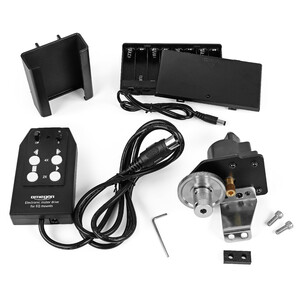
The most affordable entry-level telescope on an EQ mount. The optical system features a simple design with an inexpensive spherical mirror, though it has limitations in terms of sharpness and maximum magnification. The mount is also simple, with no polar finder. Motorized tracking of the right ascension axis can be retrofitted; it keeps the selected object in the field of view for visual observation. Without a motor, the axis must be tracked manually. Intuitive red-dot finder, 25-mm and 6.5-mm eyepieces, plus a 2x Barlow lens for greater magnification. The 6.5-mm eyepiece has limited functionality and cannot be used with the Barlow lens. The optics and mount are not suitable for astrophotography.
As an upgrade, this optical system is available in combination with the more stable EQ-4 mount, which features a polar finder for alignment with the celestial pole. This makes setup significantly faster and more precise, and the mount also reaches its final position more quickly. A tracking motor for visual observation can also be retrofitted to this setup. Due to the limitations of the optics, this combination is also only suitable to a very limited extent for astrophotography through the telescope.
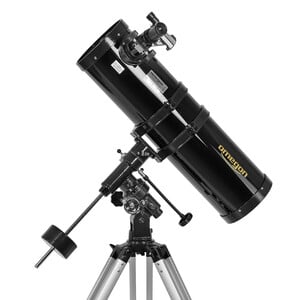
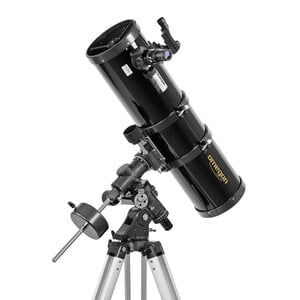
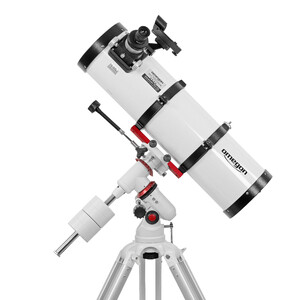
Omegon Advanced 150/750 EQ-320 Telescope
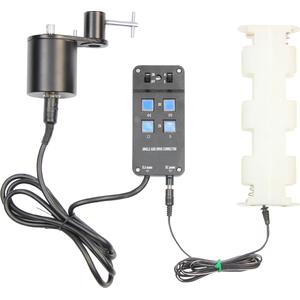
Affordable 150/750 mm telescope for visual observation with tracking. Features a parabolic mirror for sharper images even at high magnifications. The wide secondary mirror struts reduce contrast slightly. The mount is more stable than the Omegon EQ-3. Motorized tracking of the right ascension axis for visual observation can be retrofitted, ensuring that the object remains in the field of view when the telescope is properly set up. Smoothly adjustable Crayford focuser for 1.25-inch and 2-inch eyepieces. Intuitive red-dot finder; with 25-mm and 10-mm eyepieces, a practical selection without reaching maximum magnification. The telescope is suitable for entry-level astrophotography, though with some limitations.
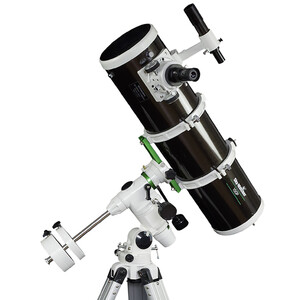
Skywatcher N 150/750 Explorer 150P EQ3-2 Telescope and PDS Explorer BD EQ3-2
A practical introduction to visual observation with tracking and the first steps in astrophotography. A polar finder and tracking motors for both axes can be retrofitted. The telescope can be used for both visual and photographic observations; for photography, the included Barlow lens is required to bring the camera into focus. Precisely adjustable Crayford focuser for 1.25-inch and 2-inch eyepieces.& nbsp;The 6x30 optical finder shows the sky upside down, just as it appears through the telescope, and requires some practice to locate objects. The included eyepieces offer a useful selection of focal lengths at 25 and 10 mm, with the Barlow lens providing additional magnification.
As an upgrade, we recommend the Skywatcher N 150/750 PDS Explorer, which is optimized for astrophotography with a larger secondary mirror and a higher focal plane, and features a built-in focuser with a fine-adjustment mechanism. This telescope is a good starter kit for getting into astrophotography with tracking and can also be used for photography without a Barlow lens. Crayford focuser for 1.25-inch and 2-inch eyepieces with 1:10 fine adjustment; can be retrofitted with a polar finder and tracking motors for both axes. Includes a 28 mm 2-inch eyepiece for locating objects and for wide fields of view.
A GOTO upgrade is available for these telescopes.
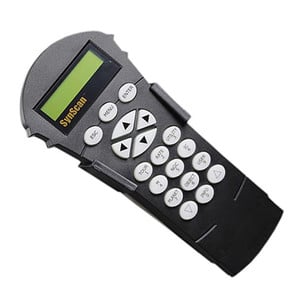
Omegon ProNewton N 153/750 EQ-500 X Telescope
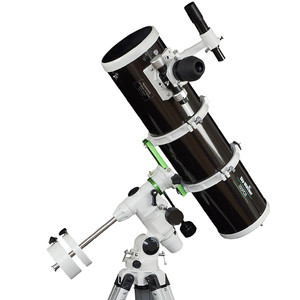
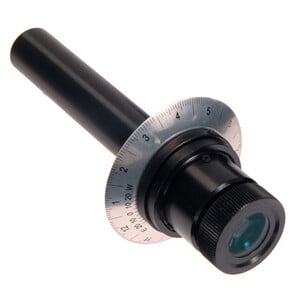
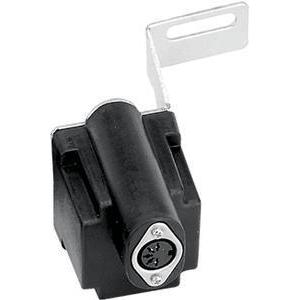
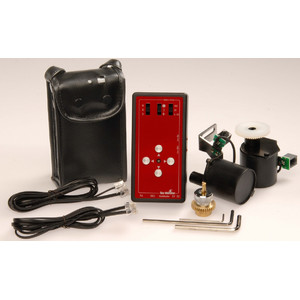
An ambitious entry into visual observation and astrophotography with tracking, thanks to the unique combination of a compact optical tube and an EQ5-class mount capable of supporting 10 kg. A parabolic primary mirror and narrow secondary mirror struts ensure excellent image quality.& nbsp;The Omegon EQ-500 mount is more stable than the Omegon EQ-320 and guarantees better results with long exposures. With an integrated polar finder and tracking motors for both axes, the telescope can be used without restriction for both visual and photographic observations. Precisely adjustable Crayford focuser for 1.25-inch and 2-inch eyepieces. Includes a red-dot finder and a 26 mm 1.25-inch eyepiece for locating objects.
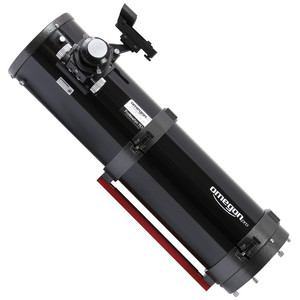
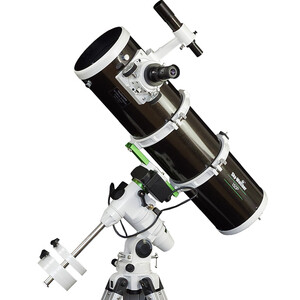
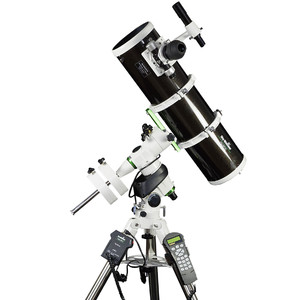
Skywatcher N 150/750 Explorer 150P EQ3 Pro SynScan GoTo Telescope and PDS Explorer BD EQ5 Pro SynScan GoTo
A high-performance instrument for visual observation with a GoTo function and a great introduction to astrophotography. Parabolic primary mirror and narrow secondary mirror struts for the best possible contrast. The Skywatcher telescope’s GoTo system can automatically track over 42,900 objects, making the observation and photography of celestial objects even easier and more convenient. Precisely adjustable Crayford focuser for 1.25-inch and 2-inch eyepieces. A practical selection of focal lengths with 25-mm and 10-mm eyepieces.
As an upgrade, we recommend the PDS version of the Skywatcher on the EQ5 mount. This version is specifically optimized for astrophotography and offers more focusing range (back focus) for the camera and accessories, as well as a larger secondary mirror for better illumination. The EQ5 mount is significantly more stable than EQ3-class mounts. This means less vibration and better results with long-exposure photography. Here, too, the GOTO system can automatically point to over 42,900 objects. The telescope is shipped without an eyepiece. You’ll find high-quality, affordable eyepieces in our product lineup.
Telescopes with Dobsonian mounts
The compact, fast-aperture optics of the 150/750 mm class are well-suited for use with a Dobsonian mount. With this innovative mount, American astronomy pioneer John Dobson made large apertures accessible to amateurs and sparked a revolution in the telescope market. Dobsonian telescopes are manually tracked along both axes; this intuitive method of navigating the sky is made possible by the ingenious friction mechanism of the axes. While this design is not suitable—or only so with significant limitations—for photography through the telescope, for visual observation it frees the observer from all unnecessary clutter and provides unparalleled, direct access to the stars.
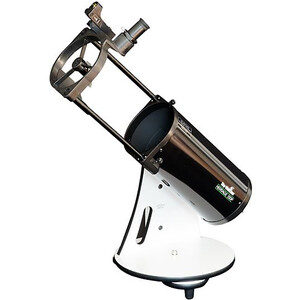
The tube of the Skywatcher 150/750 Heritage FlexTube can be collapsed for transport and storage, making it extremely compact for a telescope with a 6-inch aperture. The lightweight tube is equipped with a 1.25-inch helical focuser that is adjusted by turning. It comes with two useful focal lengths—25 and 10 mm—and the red-dot finder is perfectly suited for intuitive navigation with a Dobsonian mount.
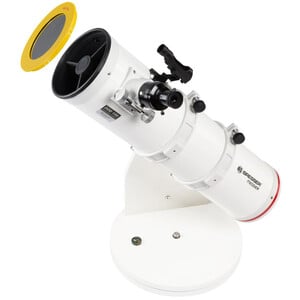
The Bresser N 150/750 Messier comes with a 2-inch focuser with a rack-and-pinion drive and allows the use of lightweight 2-inch eyepieces with a wide field of view. It also includes a red-dot finder and two eyepieces, 25 mm and 9 mm.
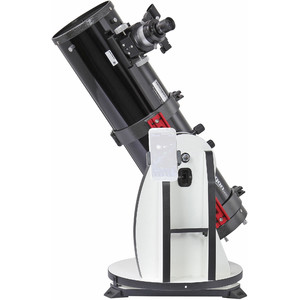
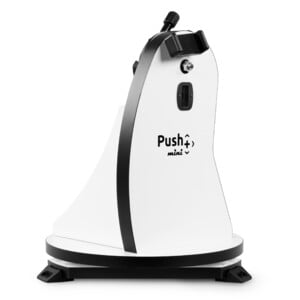
The Omegon Push+ Mini N 150/750 Pro features a unique push-to function. When used with an Android smartphone, it combines intuitive manual tracking—without the need for complicated setup or alignment—with the power of digital sky navigation via an app—the best of both worlds, so to speak. It includes a high-quality 2-inch Crayford focuser, a red-dot finder, and a 20 mm eyepiece for locating objects.
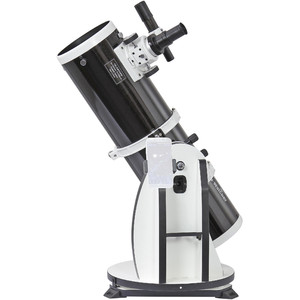
The Push+ Mini mount is also available with a 150/750 mm Skywatcher telescope tube.
Which telescope is the right one?
As is often the case, you need to be clear about your needs—our 5 Questions to Ask Before Buying a Telescope can help with that.
Good optics always pay off, whether you're observing with the naked eye or taking photographs. With a high-quality parabolic mirror and slim secondary mirror struts, you'll be able to enjoy your passion for astronomy for years to come.
Visual observations can be made using a Dobsonian or equatorial mount, although the equatorial mount can only demonstrate its strength—tracking the movement of the sky along a single axis—after it has been aligned with the celestial pole.
Lightweight EQ mounts often have longer settling times, which can detract from the enjoyment of observing, especially at high magnifications. Even if you don't plan to take photographs, investing in a stable mount is well worth it.
Astrophotography through a telescope requires more effort; an EQ mount is essential here—the more stable, the better. For deep-sky photography, it’s best to use a GOTO system right from the start, so you can spend your time exposing rather than searching for objects. Lenses specifically designed for astrophotography, which can be brought into focus without additional accessories, are ideal.
Now it’s your turn! These high-aperture 6-inch telescopes can be a great way to get started—or a companion for a lifetime of astronomy. If you have any questions, our astronomy experts will be happy to help—they are active observers themselves and know these telescopes firsthand.
Author: Marcus Schenk
Marcus is a stargazer, content creator and book author. He has been helping people to find the right telescope since 2006, nowadays through his writing and his videos. His book "Mein Weg zu den Sternen für dummies Junior" advises young people, and those who are still young at heart, what they can discover in the sky.
As a coffee junkie, he would love to have his high-end espresso machine by his side under the starry sky.