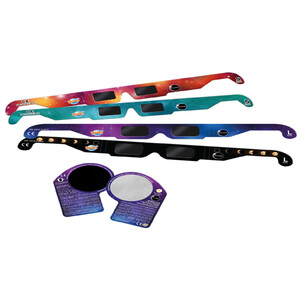
The sun is eclipsed and nature holds its breath: a total solar eclipse is probably the most spectacular celestial event you can experience. Finally – after more than 25 years – there will be another "black sun" over Spain and the Balearic Islands on 12 August 2026. From Central Europe, the sun will be heavily eclipsed by the moon. But how does a solar eclipse actually happen? What can be seen where, and what equipment is needed for observation and photography of the eclipse? Astrophysicist Dr Werner E. Celnik answers all the important questions about solar eclipses in this compact guide. Maps show the best locations from which to view the eclipse, and an exclusive pair of glasses is included to ensure safe observation.
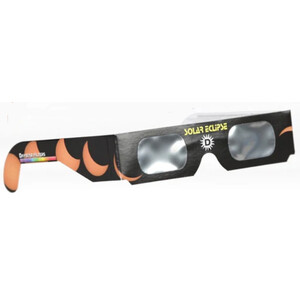
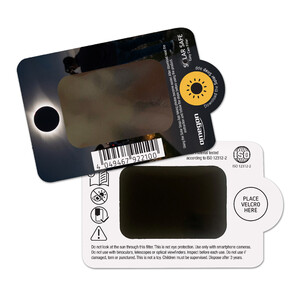
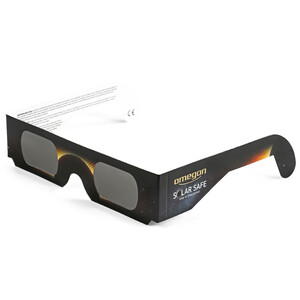
Information about the enclosed solar eclipse glasses: Safe solar observation! 100% UV protection, 100% IR protection, sunlight intensity reduced by 99.999%.The Solar Viewer AstroSolar®Silver/Gold solar viewing glasses – with original AstroSolar® film made in Germany – safely protect your eyes during visual solar observation. Perfect for experiencing solar eclipses.
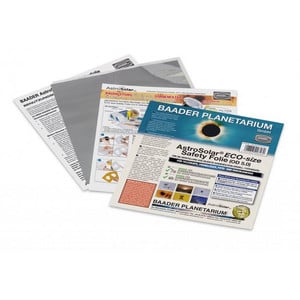
Consists of Baader AstroSolar® Silver/Gold film, with anti-reflective properties on the side facing the eye. Also blocks IR, so there is no unpleasant feeling of heat in the eyeball. Optical density OD=5.0. CE/ISO certified: complies with the standard for eye safety EN ISO 12312-2:2015 – instructions for use in four languages (German, English, French, Spanish) on the inside of the glasses.